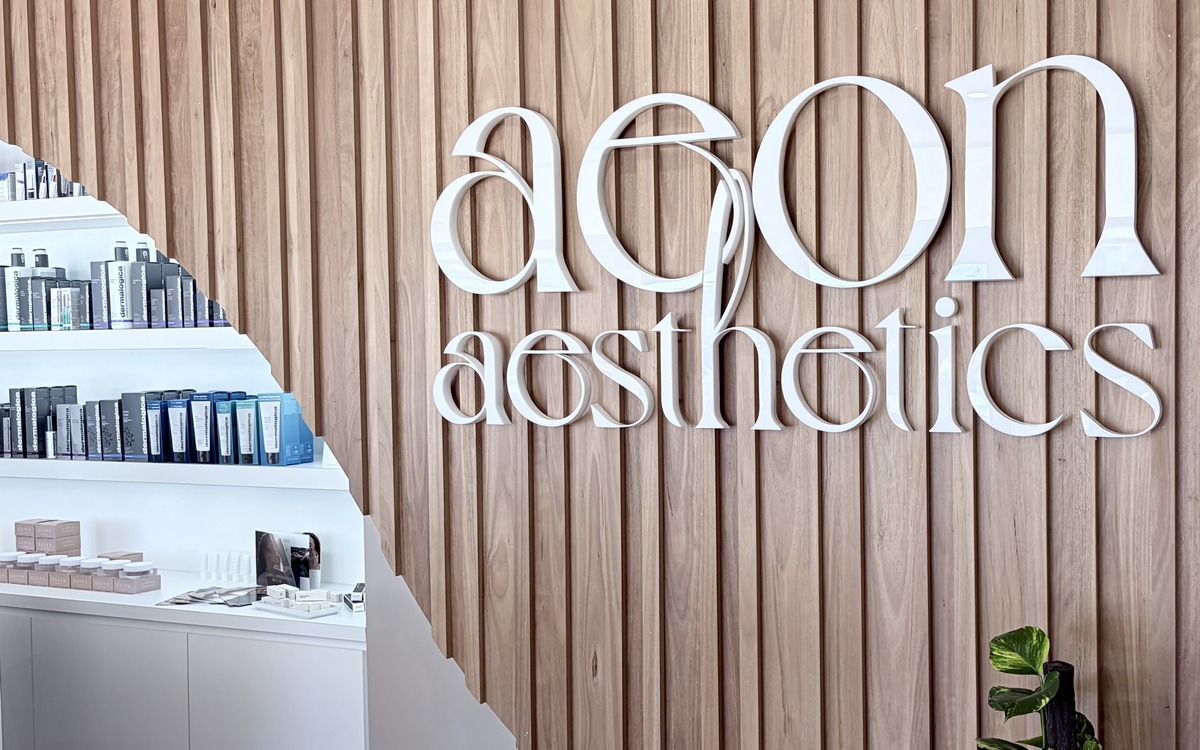
Walk into any well designed office and you’ll notice something immediately, the signage feels intentional. Company logos glow with professional polish, wayfinding feels intuitive and the brand identity comes through clearly without being overwhelming. This doesn’t happen by accident.
Office signage has evolved well beyond directional arrows and door labels, and today’s businesses use signage strategically to help reinforce brand values, create memorable first impressions and turn functional spaces into environments that people actually want to work in.
The challenge isn’t finding signage options as there are plenty. The challenge is knowing which solutions will deliver lasting value for your specific space and industry. Let’s explore the approaches currently shaping office design across the country.
1. LED Backlit Signs
LED signage has become standard in premium office fitouts, and for good reason. This energy efficient lighting positioned behind logos or lettering creates a contemporary glow that commands attention during business hours and maintains visibility well into the evening.
These signs can be customised to match precise brand colours, scaled for small reception desks or expansive lobby walls, and installed in receptions, boardrooms or along corridor features. The aesthetic is modern and polished, signaling professionalism without requiring elaborate design.
Additionally, the low energy consumption translates to minimal running costs, while extended LED lifespans mean you’re not replacing components every few years. Maintenance requirements stay minimal and these signs continue performing reliably year after year. For businesses balancing sustainability goals with visual impact, this option deliver both.
2. Acrylic Signs
Acrylic wall signage remains a staple in professional environments because it consistently works across contexts. Clean lines and glossy finishes create a sharp, high end appearance that complements virtually any interior design approach. The material comes in clear, frosted or coloured variations, offering flexibility to align with established brand aesthetics.
Acrylic adapts seamlessly across industries because the material carries inherent professionalism. Durability also adds to the appeal as acrylic resists yellowing and maintains appearance for years with minimal care beyond occasional cleaning.
3. Window Graphics
Modern office design incorporates substantial glass such as exterior facades, interior partitions, meeting room walls and more. While transparency has architectural benefits, it also presents branding challenges, and window graphics address this by turning functional glass surfaces into design opportunities.
Options range from simple frosted vinyl logos that provide privacy while maintaining light flow, to vibrant full colour designs making bold statements. Ground-floor offices benefit particularly from street-facing window graphics, which function as continuous brand visibility to pedestrians and passing traffic. Before people consider entering your office, they’ve already encountered your identity.
Internally, window graphics serve multiple functions. They define zones within openplan layouts, create semi-private meeting areas without constructing solid walls, or add visual interest to plain glass partitions. Some businesses use them to reduce glare in sun exposed areas, solving practical problems while enhancing aesthetics.
4. Digital Signage
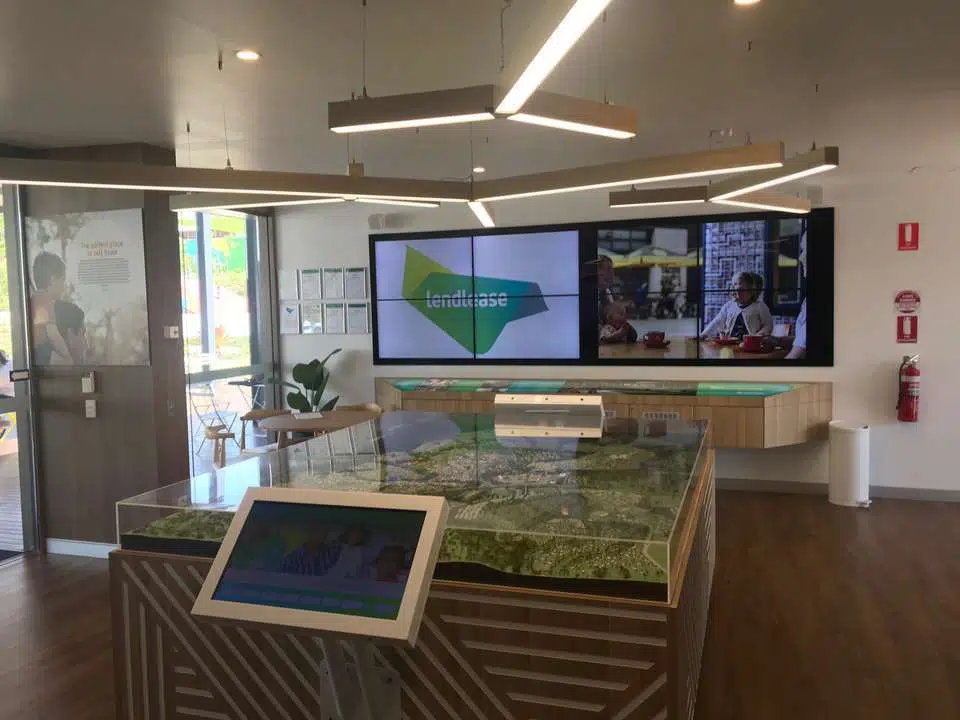
Digital signage changes how offices communicate, and instead of static messages that require physical replacement to update, digital screens display live content, video presentations and interactive information that can be easily modified.
Applications vary widely. Display company news, showcase recent projects, or provide visitors with engaging brand introductions while they wait in reception. In larger offices, screens function as sophisticated wayfinding tools. The investment consideration is straightforward and while there is a higher upfront cost compared to static signage, it offers significantly greater flexibility over time. For businesses where messaging changes frequently digital signage eliminates the recurring cost of reproducing physical signs.
5. Wall Murals
Wall murals and large scale graphics transform blank walls into defining design features. These installations communicate company culture, values and personality in ways that resonate with both staff and visitors, creating environments that feel distinctly yours rather than generically corporate.
Content possibilities are broad, where bold graphics can tell your brand story, motivational messaging energising employees, industry themed artwork positioning your expertise or abstract designs simply making spaces more visually compelling. Authenticity matters most and effective murals feel like genuine expressions of who you are, not stock imagery selected from a catalogue.
Beyond decoration, murals actively influence workplace atmosphere. Vibrant, colourful designs can lift energy and inspire creativity, while calming, nature inspired graphics help balance high pressure environments. Durability varies significantly based on wall surface and vinyl quality, whereby textured walls present application challenges that smooth surfaces don’t.
Creating Cohesive Office Environments
The most effective office fitouts layer multiple signage solutions strategically rather than relying on a single approach. The signage investments that prove most valuable are those continuing to perform effectively years after installation, requiring minimal maintenance while maintaining visual impact.
Our team specialise in creating innovative signage and display solutions across exhibition and trade show displays, showrooms, retail and office fitouts. With extensive experience designing professional environments across Australia, we understand how to translate brand identity into physical spaces that function effectively while making lasting impressions.